
Neurologist located in Marlton, NJ
Complex Regional Pain Syndrome Specialist
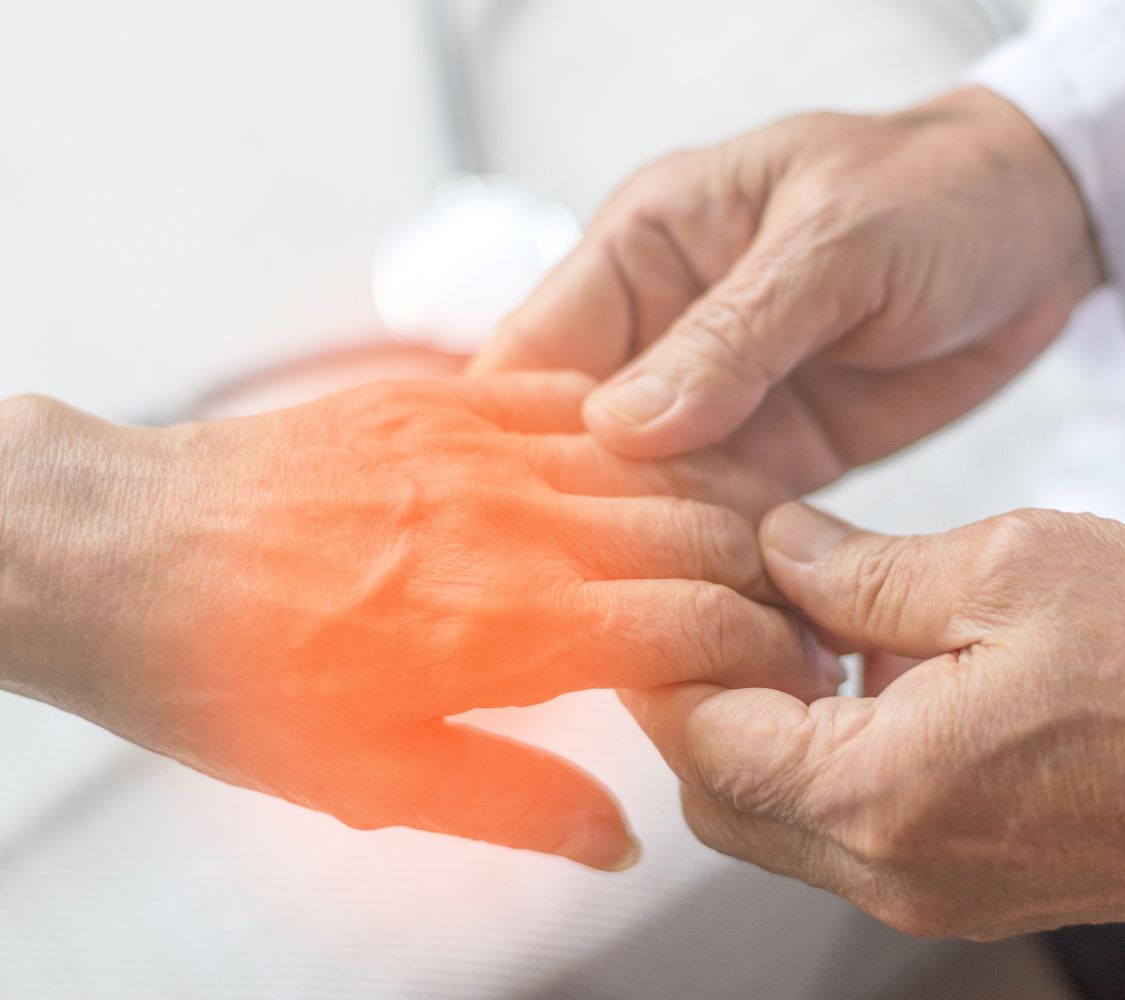
After an injury heals, pain should gradually improve. However, for people living with Complex Regional Pain Syndrome (CRPS), pain continues long after the original injury has healed and is often accompanied by swelling, muscle weakness, and changes in the affected limb. At Marlton Neurology, Sudhir Aggarwal, MD, PhD provides comprehensive evaluations and personalized treatment plans to help patients manage CRPS and improve their quality of life—often without relying on opioid medications.
If you’re experiencing persistent limb pain or symptoms following an injury, schedule an appointment online or visit our office.
Find Relief from Chronic Nerve Pain
Living with Complex Regional Pain Syndrome can be physically and emotionally challenging, but early diagnosis and specialized treatment can make a meaningful difference. At Marlton Neurology, we’re committed to helping patients reduce pain, restore function, and regain their quality of life through compassionate, personalized neurological care.
Complex Regional Pain Syndrome Q & A
Frequently asked questions about Complex Regional Pain Syndrome
What is Complex Regional Pain Syndrome (CRPS)?
Complex Regional Pain Syndrome (CRPS) is a chronic neurological pain condition that develops when pain from an injury continues long after the injured tissues have healed.
A defining characteristic of CRPS is that the pain is significantly more severe than would normally be expected from the original injury.
There are two forms of CRPS:
CRPS Type I
CRPS Type I develops after injuries such as fractures, sprains, or soft tissue trauma without direct nerve injury.
CRPS Type II
CRPS Type II occurs after a specific peripheral nerve has been damaged.
Although the causes differ, both forms produce similar symptoms and require specialized neurological care.
What symptoms develop due to Complex Regional Pain Syndrome?
Persistent pain is the hallmark symptom of CRPS and most commonly affects one arm or one leg. The pain often begins in the hand or foot before spreading to the entire limb.
Many patients describe the pain as:
- Burning pain
- Sharp, stabbing sensations
- Pins-and-needles sensations
- Extreme sensitivity to touch
The affected area may also experience changes in blood flow and nerve function, leading to:
- Swelling
- Stiff joints
- Changes in skin color
- Changes in skin temperature
- Changes in skin texture
- Excessive sweating
- Abnormal hair growth
- Changes in nail growth
As CRPS progresses, muscle weakness, spasms, loss of coordination, and muscle wasting may also occur.
How is Complex Regional Pain Syndrome treated?
Because CRPS affects multiple body systems, treatment is individualized and often combines several therapies designed to reduce pain and restore function.
Physical Therapy
Structured physical therapy helps improve circulation, maintain muscle strength, restore flexibility, and improve coordination. Rehabilitation also helps reduce the nervous system changes that contribute to chronic pain and hypersensitivity.
Medications
Dr. Aggarwal may prescribe medications to relieve pain, reduce inflammation, control muscle spasms, and improve nerve function.
For selected patients with persistent symptoms, intravenous Lidocaine and Ketamine infusions may be recommended. These advanced therapies have been shown to provide meaningful pain relief for many individuals living with CRPS.
Treatment plans are carefully tailored to each patient's symptoms, medical history, and response to therapy.