
Neurologist located in Marlton, NJ
Multiple Sclerosis Specialist
Multiple Sclerosis (MS) most commonly develops between the ages of 20 and 40 and affects women nearly three times more often than men. Although there is currently no cure for this autoimmune neurological condition, Sudhir Aggarwal, MD, PhD, at Marlton Neurology provides comprehensive diagnosis, personalized treatment, and long-term management to help slow disease progression and improve quality of life.
If you’re experiencing symptoms such as vision changes, numbness, muscle weakness, or balance problems, schedule an appointment online or visit our office.
Take Control of Your MS Journey
Early diagnosis and treatment can make a meaningful difference in managing Multiple Sclerosis. At Marlton Neurology, we’re committed to providing compassionate, personalized neurological care to help you maintain your independence and quality of life.
Multiple Sclerosis Q & A
Frequently asked questions about Multiple Sclerosis
What causes Multiple Sclerosis (MS)?
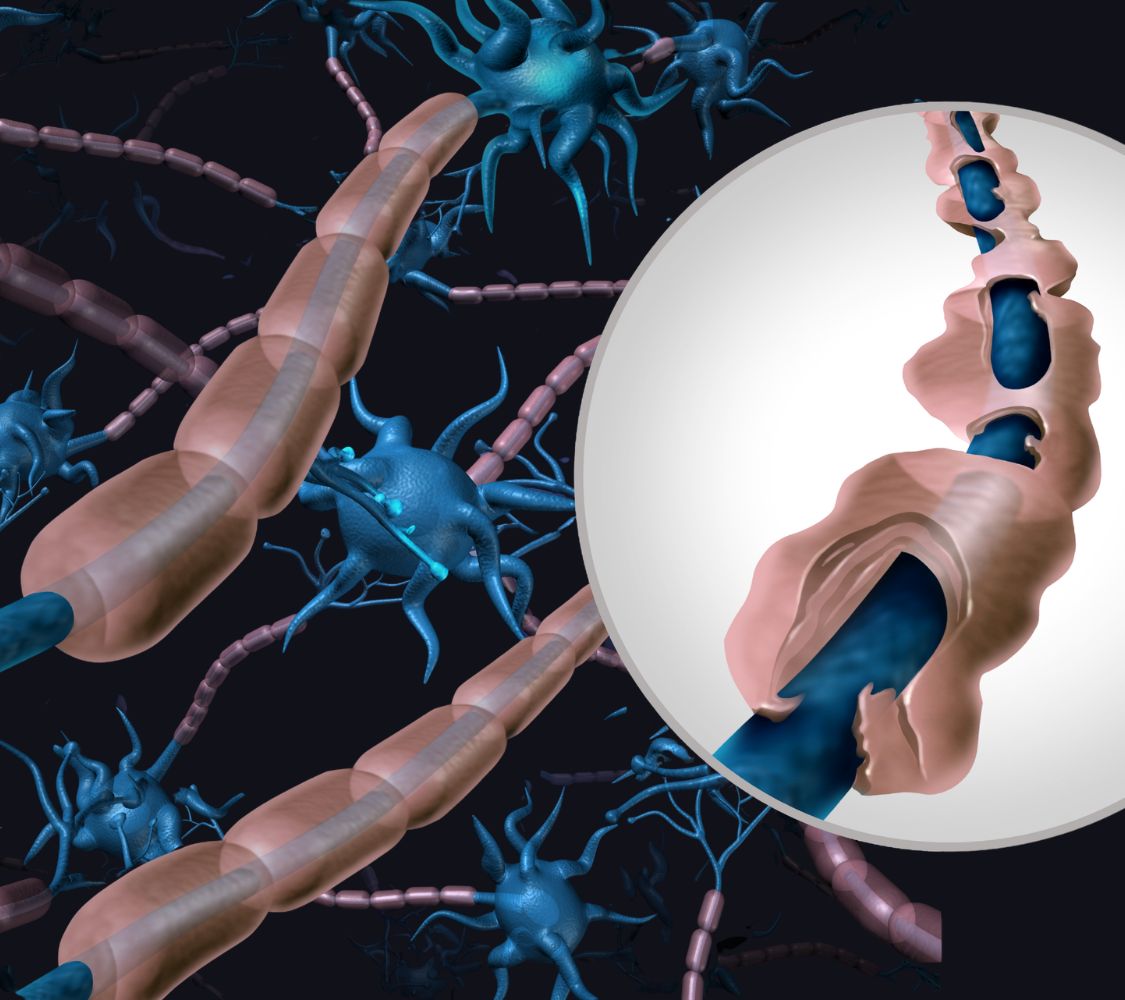
Multiple Sclerosis develops when the immune system mistakenly attacks the protective covering surrounding nerve fibers, known as the myelin sheath, in the brain and spinal cord.
As the myelin becomes damaged, nerve signals slow down or become blocked, making it difficult for the brain to communicate with the rest of the body.
Dr. Aggarwal diagnoses and treats the three primary forms of Multiple Sclerosis.
Relapsing-Remitting MS
Relapsing-remitting MS accounts for approximately 80% of initial diagnoses. Patients experience alternating periods of symptom flare-ups (relapses) followed by periods of partial or complete recovery (remission).
Secondary Progressive MS
Approximately 60–70% of patients with relapsing-remitting MS eventually develop secondary progressive MS. During this stage, symptoms gradually worsen over time, with fewer or no periods of remission.
Primary Progressive MS
Primary progressive MS affects approximately 10–20% of patients. Symptoms steadily worsen from the beginning without distinct relapses or remissions.
What symptoms develop in patients with Multiple Sclerosis?
MS symptoms vary depending on which nerves are affected and the extent of nerve damage.
Early symptoms often involve the eyes and may include:
- Optic neuritis (inflammation of the optic nerve)
- Partial or complete vision loss
- Eye pain, especially during movement
- Double vision
As the disease progresses, additional symptoms may include:
- Numbness or weakness in the arms or legs
- Tingling, burning, or nerve pain
- Electric shock-like sensations when bending the neck
- Difficulty with balance, coordination, and walking
- Memory or concentration problems
- Tremors
- Slurred or slowed speech
Because symptoms differ from person to person, a comprehensive neurological evaluation is essential for an accurate diagnosis.
How is Multiple Sclerosis treated?
While there is currently no cure for MS, early treatment can significantly reduce disease activity and help preserve neurological function.
Dr. Aggarwal develops individualized treatment plans that may include:
- Oral disease-modifying medications
- Injectable therapies
- Treatments to reduce inflammation during relapses
- Medications to manage daily symptoms
- Long-term monitoring and disease management
Today, the U.S. Food and Drug Administration (FDA) has approved numerous therapies that help reduce the frequency and severity of MS relapses while slowing disease progression.
Dr. Aggarwal works closely with each patient to select the most appropriate treatment based on their diagnosis, symptoms, lifestyle, and long-term health goals.