
Neurologist located in Marlton, NJ
Seizures Specialist
Botox® is well-known as a cosmetic treatment for smoothing facial wrinkles, but it is also FDA-approved to treat a variety of neurological conditions, including chronic migraines and dystonia. Sudhir Aggarwal, MD, PhD, at Marlton Neurology has extensive experience administering Botox injections to treat painful muscle spasticity and help prevent or reduce migraine headaches.
Expert Care for Seizure Disorders
Early diagnosis and appropriate treatment can significantly improve seizure control and quality of life. At Marlton Neurology, we’re dedicated to providing compassionate, personalized neurological care for patients living with seizures and epilepsy.
Seizure Q & A
Frequently asked questions about Seizures
What is a seizure?
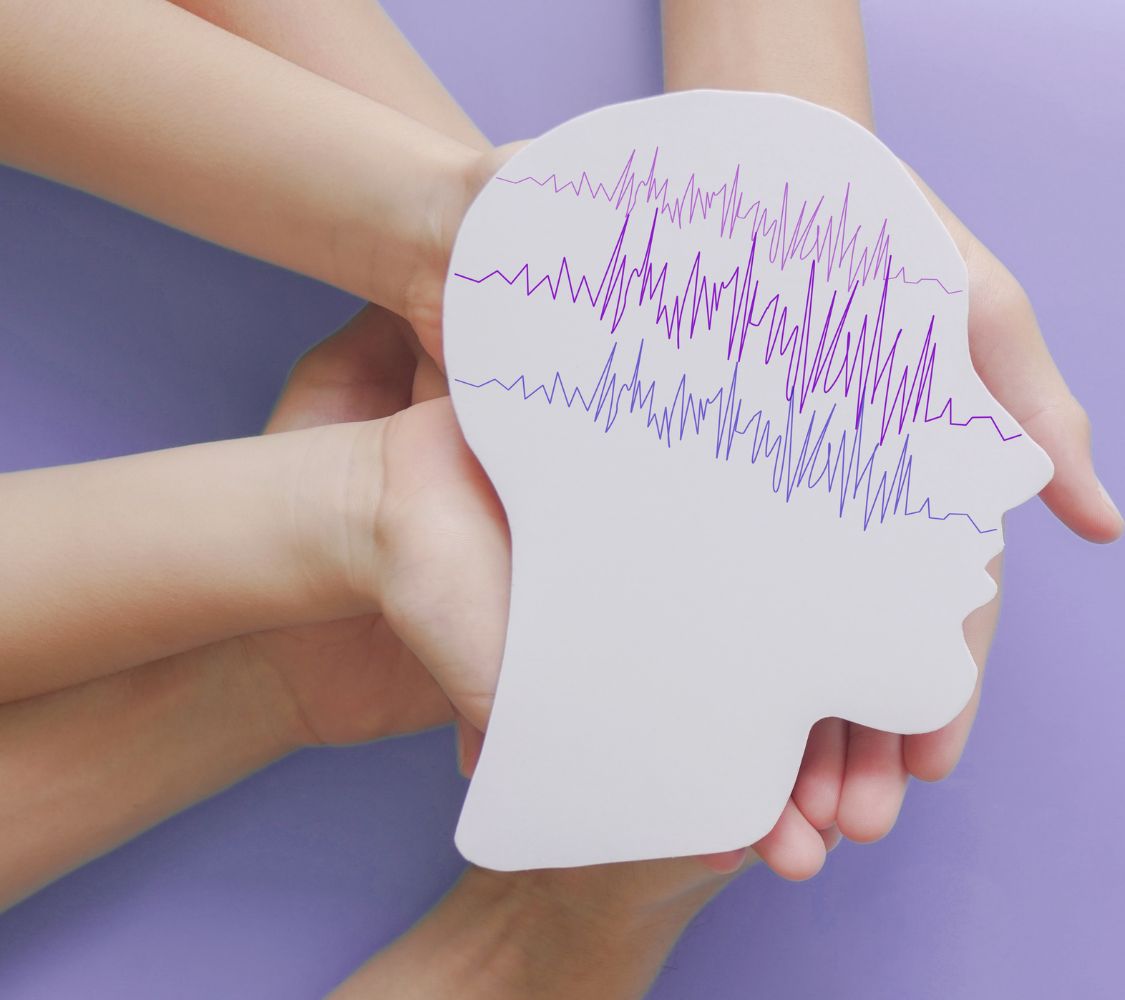
A seizure occurs when nerve cells in the brain send abnormal bursts of electrical activity.
There are several different types of seizures:
Focal Seizures
Focal seizures begin in one specific area or one side of the brain and may affect awareness, movement, sensation, or behavior.
Generalized Seizures
Generalized seizures involve both sides of the brain from the beginning and often result in loss of consciousness or widespread muscle movements.
Focal to Bilateral Seizures
Some seizures begin in one area of the brain before spreading to involve both sides.
Determining the type of seizure is essential for selecting the most effective treatment.
Is having a seizure the same as epilepsy?
No. Experiencing a seizure does not automatically mean you have epilepsy.
Although epilepsy is the most common cause of recurring seizures, seizures may also result from:
- Stroke
- Traumatic brain injury
- Brain tumors
- Brain infections
- High fever
- Metabolic disorders
- Other neurological conditions
Epilepsy is typically diagnosed when a person experiences two or more unprovoked seizures at least 24 hours apart. In some cases, epilepsy may be diagnosed after a single seizure if diagnostic testing indicates a high risk of future seizures.
What symptoms occur during a seizure?
Symptoms vary depending on where the seizure begins in the brain and whether awareness is affected.
Common seizure symptoms include:
- Repetitive jerking movements
- Brief muscle twitches
- Muscle weakness or limpness
- Muscle stiffness or rigidity
- Staring spells or blanking out
- Loss of movement
- Full-body convulsions
- Repetitive movements such as lip smacking or hand rubbing
Some seizures are much more subtle and may involve:
- Eyelid twitching
- Tingling sensations
- Emotional changes
- Goosebumps
- Rapid heartbeat
- Temporary confusion
Because seizure symptoms can vary significantly, a neurological evaluation is important for an accurate diagnosis.
How are seizures treated?
Dr. Aggarwal performs a comprehensive neurological evaluation and appropriate diagnostic testing to determine the cause and type of seizure before recommending treatment.
Treatment options may include:
- Anti-seizure (anti-epileptic) medications
- Medication adjustments based on seizure type
- Combination therapy when necessary
- Long-term neurological monitoring
- Lifestyle recommendations to reduce seizure triggers
More than 25 anti-seizure medications are available today, and many patients achieve excellent seizure control with medication alone.
For patients whose seizures remain difficult to control or who experience significant medication side effects, advanced treatment options may include:
- Vagus Nerve Stimulation (VNS)
- Epilepsy surgery for carefully selected candidates
Dr. Aggarwal works closely with each patient to develop an individualized treatment plan focused on maximizing seizure control while minimizing medication side effects.